



car warranty covers what: a field-tested comparison that builds trust

What most factory warranties actually cover

I review repair orders all week. Patterns emerge. A new car usually ships with a bumper-to-bumper plan, a powertrain plan, and separate emissions, corrosion, and sometimes roadside coverage. Bumper-to-bumper sounds like it covers everything. It nearly does - until it doesn't. The result you care about is simple: fewer surprises, less downtime.

  • Bumper-to-bumper (comprehensive): Electronics, infotainment head units, HVAC modules, sensors, interior switches, instrument clusters, wiring, and many comfort features. Not cosmetic fixes.
  • Powertrain: Engine block and internals, turbo/supercharger, transmission, transfer case, driveshafts, axles, differential, seals and gaskets when related to covered failures.
  • Emissions: Oxygen sensors, evaporative system parts, catalytic converter, and the engine control module. Small correction: the catalytic converter and ECM often carry longer federal coverage (8yr/80k in the U.S.) than most other emissions parts.
  • Corrosion (perforation): Rust-through of body panels, not surface rust or paint chips.
  • Roadside: Towing to an authorized facility, jump start, lockout, sometimes fuel delivery. Some include trip interruption or rental reimbursement.

What's commonly not covered

I used to say "bumper-to-bumper is basically everything." Not quite. It's everything major minus wear, trim, and damage. That small adjustment changes outcomes a lot.

  • Wear items: Brake pads/rotors (outside early defects), wiper blades, bulbs, fuses, tires, clutches (wear), belts, filters.
  • Maintenance: Oil, coolant, alignment, fluid flushes, spark plugs (unless specified), normal adjustments.
  • Damage: Glass chips, road hazard, body dings, curb rash.
  • Abuse/mods: Overheating, racing, tunes, lifts, non-approved accessories causing a failure.
  • Noise and "characteristics": Squeaks or vibrations judged normal by the manufacturer.

Edge cases that decide claims

  • Diagnostics: Factory plans often cover diagnostic time for confirmed covered failures; some third-party contracts don't.
  • Software updates: Covered when tied to a repair; not as a convenience update.
  • Leaks: A seep isn't always a "failure." A drip usually is.
  • Hybrids/EVs: High-voltage batteries and drive units typically have long coverage (often 8yr/100k+), but 12-V batteries and chargers differ by brand.
  • Contamination: Wrong fluid or poor fuel can void a specific repair. Maintenance records matter.

Factory extension vs third-party service contracts

I compare both weekly. Factory extensions mirror OEM coverage logic and use dealer tools; third-party contracts vary - some excellent, some difficult. Outcome hinges on approval speed, parts quality, and rental coverage, not just the brochure.

  • Factory extension: Higher trust, OEM parts, fewer authorization hurdles, slightly higher price.
  • Reputable third-party: Broader networks, flexible terms, but watch labor-rate caps, diagnostics rules, and per-visit deductibles.
  • Red flags: "Wear-and-tear" exclusions on moving parts, mandatory teardown at your expense if denied, or low claim caps per component.

A real moment from the service lane

Monday 8:10 a.m., mild rain. Check-engine light on a four-year-old sedan, code P0420 - catalyst efficiency. The owner thought their bumper-to-bumper covered it. Close, but not exactly: the emissions warranty carried the day - 8yr/80k on the catalytic converter meant $0 out-of-pocket and a loaner authorized. Two hours later, parts ordered, downtime minimized. That's the trust dividend you actually feel.

How to read your coverage in five focused minutes

  1. Identify the plan type: Comprehensive vs powertrain vs emissions. Circle the mileage/time limits.
  2. Find the component list: Look for exact names (e.g., "condenser" vs "A/C system"). Precision wins arguments.
  3. Check exclusions and conditions: Fluids, adjustments, diagnostics, aftermarket parts, lift/tune notes.
  4. Note process items: Deductible per visit or per repair? Rental/towing limits? Authorized facilities only?
  5. Prep proof: Keep maintenance records, parts receipts, and scan reports. Claims move faster with paper.

Comparison cues that improve outcomes

Ask two questions: Will the plan approve quickly when a tech documents the failure, and will it pay the prevailing labor rate with OEM or equivalent parts? If the answer is yes twice, downtime and surprises drop sharply.

Typical coverage ranges at a glance

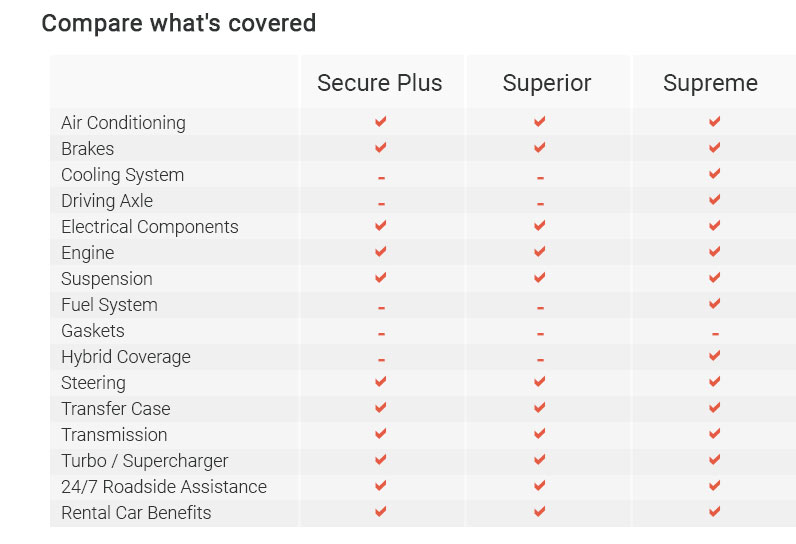
  • Bumper-to-bumper: ~3yr/36k (some longer). Electronics and comfort systems included.
  • Powertrain: ~5yr/60k. Engine, transmission, driveline.
  • Emissions: 2yr/24k for most parts; 8yr/80k for catalytic converter and ECM/PCM in the U.S.
  • Corrosion perforation: ~5yr+ against rust-through (not chips).
  • EV/Hybrid major components: Often 8yr/100k+ on HV battery/drive unit.
  • Roadside/rental: Varies widely; read dollar and day caps.

Bottom line

"Car warranty covers what" becomes clear when you map part, plan, and proof. Pick coverage that pays fast, honors diagnostics, and uses quality parts. Keep records. That's how you turn fine print into real-world trust and better repair outcomes.

https://www.cars.com/car-warranty/money/what-does-car-warranty-cover/
Bumper-to-bumper warranties cover repairs or replacement of nearly any component of a vehicle. Drivetrain and powertrain warranties focus on ...

https://www.carbravo.com/blog/all-about-vehicle-warranties
CarBravo Limited Bumper-to-Bumper Warranty. When you choose a CarBravo certified used vehicle less than 10 model years old and with less than ...

https://www.ally.com/stories/car/understanding-your-car-warranty-and-vsc/
It can often be purchased either directly from the vehicle manufacturer or from a third-party provider. A VSC typically covers both the cost of ...


atwratnwm
4.9 stars -1695 reviews